Wilderness Guide: Essential Skills for Survival
Navigating the wilderness demands preparation; mastering first aid, shelter building, and fire starting are crucial․ Water procurement and food acquisition are vital, alongside wildlife awareness․
Venturing into the wilderness presents unique challenges, demanding respect and preparation․ Survival isn’t merely about enduring; it’s about possessing the knowledge and skills to thrive when conventional support systems fail․ This guide equips you with essential techniques, from first aid and shelter construction to firecraft and water purification․
Understanding potential risks – weather, terrain, wildlife – is paramount․ Mental fortitude is as crucial as physical prowess․ Resourcefulness, a positive mindset, and the ability to remain calm under pressure are key to overcoming adversity․ This introduction lays the foundation for a journey into self-reliance and responsible outdoor exploration․
Understanding the Risks
Wilderness environments present inherent dangers requiring careful consideration․ Weather fluctuations – from sudden storms to extreme temperatures – pose significant threats․ Terrain challenges, like steep slopes or treacherous waterways, demand cautious navigation․ Wildlife encounters, particularly with dangerous animals, necessitate awareness and preventative measures․
Hypothermia and hyperthermia are constant concerns․ Getting lost is a serious risk, emphasizing the importance of navigation skills․ Injuries, ranging from minor cuts to severe trauma, can quickly escalate without proper first aid․ Recognizing these risks and proactively mitigating them is fundamental to safe and successful wilderness travel․
The 10 Essentials of Wilderness Survival
Preparedness hinges on carrying the “10 Essentials․” A reliable knife is paramount for various tasks․ Durable cordage offers versatility for shelter building and repairs․ A beanie or cap regulates body temperature․ Water bottles or a hydration system ensure hydration․ Fire starters, including modern tools, are crucial for warmth and signaling․
Additional essentials include a first-aid kit, navigation tools (map & compass), sun protection, extra food, and an emergency shelter․ These items collectively address potential hazards, increasing your chances of survival and comfort in unpredictable wilderness conditions․
Navigation Tools & Techniques
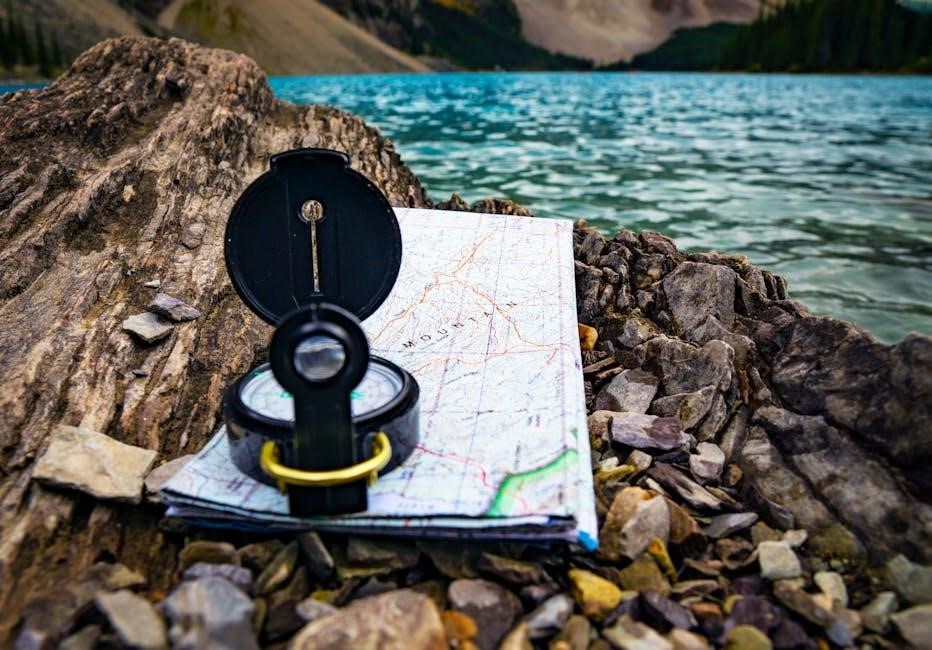
Effective navigation is paramount in the wilderness․ A reliable map and compass remain essential, despite technological advancements․ Mastering map reading – understanding contour lines and symbols – is crucial․ Compass skills include taking bearings and following a course․ GPS devices are helpful but require batteries and are susceptible to failure․
Natural navigation techniques, like using the sun or stars, offer backup methods․ Terrain association – recognizing landmarks – aids orientation․ Practice these skills regularly to build confidence and ensure you can confidently navigate unfamiliar terrain, preventing getting lost and enhancing safety․
First Aid Kit & Basic Medical Knowledge
A well-stocked first aid kit is non-negotiable․ Include bandages, antiseptic wipes, pain relievers, blister treatment, and any personal medications․ Crucially, know how to use everything inside! Basic medical knowledge is equally vital․ Learn to treat wounds, sprains, fractures, and recognize signs of hypothermia and heatstroke․
CPR and trauma treatment skills are invaluable․ Understanding bleeding control techniques can be life-saving․ Consider a wilderness first aid course for comprehensive training․ Prioritize prevention – avoid injuries through careful planning and awareness of surroundings․ Regular kit checks ensure supplies remain current and usable․
Shelter Construction – Natural & Improvised
Shelter protects from the elements – crucial for survival․ Utilize natural shelters like caves or rock overhangs when available․ Otherwise, learn to build improvised shelters․ Lean-tos, debris huts, and snow caves offer varying levels of protection․ Prioritize insulation; leaves, pine needles, and even clothing can provide warmth․
Consider location – avoid low-lying areas prone to flooding․ A well-constructed shelter conserves body heat and boosts morale․ Practice building basic shelters before needing them․ Remember, even a simple shelter significantly increases your chances of survival in harsh conditions․ Proper site selection is paramount․

Fire Starting Methods – Friction & Modern Tools
Fire provides warmth, cooks food, purifies water, and offers psychological comfort․ Master multiple fire starting methods․ Friction-based techniques – bow drill, hand drill – require practice and dry materials․ Modern tools like lighters, ferro rods, and waterproof matches are reliable backups․
Gather tinder (birch bark, dry grass), kindling (small twigs), and fuel wood (larger branches)․ Build a fire lay – teepee, log cabin, or lean-to – to promote airflow․ Protect the flame from wind․ Remember fire safety: clear a 10-foot radius and never leave a fire unattended․
Water Procurement & Purification
Water is paramount for survival; dehydration impairs judgment and physical ability․ Finding water sources – springs, streams, rainwater – is the first step․ However, untreated water often harbors pathogens․ Purification is essential․ Boiling water for one minute (plus extra time at higher altitudes) kills most harmful organisms․
Water filtration using a commercial filter or improvised methods (cloth, charcoal, sand) removes sediment and some contaminants․ Consider using purification tablets as a backup․ Always prioritize finding and purifying water to maintain hydration and health in a wilderness setting․
Finding Water Sources
Locating water is a primary survival concern․ Look for natural springs, often indicated by lush vegetation․ Follow animal trails downhill; they frequently lead to water․ Streams and rivers are obvious sources, but assess their cleanliness․ Collect rainwater using tarps or large leaves․ Morning dew can be gathered with a cloth․
Digging a solar still can extract water from the ground, though yields are slow․ Remember to prioritize sources that appear cleanest, but always purify any water found before consumption to avoid illness․ Careful observation of the environment is key․
Water Filtration & Boiling Techniques
Purifying water is essential for survival․ Boiling water for one minute (plus one minute per 1000 feet elevation) kills most harmful pathogens․ Filtration removes sediment and some microbes․ Improvised filters can use cloth, charcoal, sand, and gravel layers․
Commercially available filters are more effective․ Straining water through a handkerchief removes larger particles before boiling or filtering․ Always combine methods for maximum safety․ Remember, clear water isn’t necessarily safe; purification is non-negotiable to prevent debilitating illness in a survival situation․
Food Acquisition in the Wilderness
Sustaining energy requires finding food․ Foraging for edible plants is possible, but extreme caution is vital – misidentification can be fatal․ Prioritize positive identification before consumption․ Basic trapping and snaring techniques can supplement foraging efforts, focusing on small game․
Remember that trapping may require knowledge of local regulations․ Conserve energy during food procurement․ Prioritize calorie intake over taste․ Thoroughly cook any meat obtained to eliminate parasites and bacteria, ensuring a safer, more sustainable survival experience․
Foraging for Edible Plants (Cautionary Notes)
Identifying plants accurately is paramount; “when in doubt, throw it out!” Many plants resemble edible varieties but are poisonous․ Never consume a plant unless 100% certain of its identification, utilizing multiple reliable sources; Start with easily identifiable plants․
Be aware of potential allergic reactions, even to edible plants․ Avoid plants growing near polluted areas․ Cook plants whenever possible to neutralize toxins․ Learn about local poisonous plants before venturing into the wilderness․ Prioritize safety; foraging should supplement, not replace, other food sources․
Basic Trapping & Snaring Techniques
Trapping and snaring provide potential food sources, but require knowledge and ethical considerations․ Simple snares, using cordage, can catch small game like rabbits or squirrels․ Figure-four traps utilize sticks and bait․ Always check traps frequently – ideally, multiple times daily – to minimize animal suffering․
Understand local regulations regarding trapping; permits may be required․ Prioritize humane trapping methods․ Trapping should be a last resort, supplementing foraging efforts․ Proper placement, considering animal trails, is crucial for success․ Practice these skills before relying on them in a survival situation․
Wildlife Awareness & Safety
Understanding local wildlife is paramount for safety․ Identify potentially dangerous animals – bears, mountain lions, venomous snakes – and learn their behaviors․ Avoid attracting animals to your camp by properly storing food, using bear canisters, or hanging food bags․ Make noise while hiking to avoid surprising wildlife․
If an encounter occurs, remain calm․ For bears, make yourself appear large and speak firmly․ With mountain lions, maintain eye contact and slowly back away․ Never run! Carry bear spray in bear country and know how to use it․ Awareness and preventative measures are key to peaceful coexistence․
Identifying Dangerous Animals
Recognizing potentially dangerous animals is crucial for wilderness safety․ Learn to identify tracks and signs – scat, claw marks, and rubbings – indicating animal presence․ Be aware of regional hazards: bears (black, grizzly), mountain lions, venomous snakes (rattlesnakes, copperheads), and even seemingly harmless animals like moose․
Study animal behavior; understanding their patterns helps predict encounters․ Know the difference between defensive and predatory behavior․ Research specific dangers of your hiking area․ Proper identification allows for proactive avoidance and informed responses, minimizing risk during your outdoor adventures․
Avoiding Encounters & Defensive Strategies
Prevention is key to avoiding wildlife encounters․ Make noise while hiking – talk, sing, or use bear bells – to alert animals to your presence․ Store food properly in bear-resistant containers or hang it high between trees․ Be vigilant, scan your surroundings, and avoid hiking at dawn or dusk when animals are most active․
If an encounter occurs, remain calm․ For bears, make yourself look large, speak firmly, and slowly back away․ Carry bear spray and know how to use it․ For other animals, maintain eye contact and slowly retreat, never run․ Understanding defensive strategies can significantly improve your safety․
Basic Survival Skills
Mastering fundamental skills is paramount for wilderness survival․ Knot tying – including the bowline, square knot, and taut-line hitch – provides versatility for shelter building and securing gear․ Effective signaling for help utilizes mirrors, whistles, and brightly colored materials to attract attention․ Knowing how to build a basic shelter, start a fire, and purify water are also essential․
These skills, combined with a positive mindset, dramatically increase your chances of a successful outcome in a survival situation․ Practice these techniques beforehand to build confidence and proficiency․
Knot Tying – Essential Knots for Wilderness Use
Proficiency in knot tying is a cornerstone of wilderness survival․ The bowline creates a secure loop, ideal for rescue situations or attaching a rope to an object․ A square knot joins two ropes of equal diameter, while the taut-line hitch allows for adjustable tension, perfect for tent guy lines․
Understanding these knots, and practicing them repeatedly, ensures quick and reliable application when needed․ Knowing variations and their specific uses expands your capabilities in the field, enhancing safety and efficiency․
Signaling for Help – Methods & Devices

Effective signaling dramatically increases rescue chances․ A whistle carries further than a human voice, requiring minimal energy․ A signal mirror reflects sunlight over long distances, attracting attention from aircraft․ Building a large signal fire, creating smoke during the day and flames at night, is a classic method․
Brightly colored clothing or materials can be arranged in visible patterns․ Understanding the principles of visual and auditory signaling, and carrying appropriate devices, are crucial components of wilderness preparedness․
Advanced Wilderness Skills
Mastering advanced techniques elevates survival capabilities․ Advanced shelter building focuses on long-term habitability, utilizing natural insulation and weatherproofing․ Advanced fire building explores diverse fire lays – log cabin, star, and reflector – optimizing for heat, cooking, and signaling․
These skills demand extensive practice and a deep understanding of the environment․ Refining these abilities transforms a survivor from merely enduring to thriving, enabling prolonged self-sufficiency in challenging wilderness conditions, and increasing overall resilience․
Advanced Shelter Building – Long-Term Habitats
Constructing long-term habitats transcends basic shelter; it’s about creating sustainable living spaces․ Focus shifts to insulation using natural materials like leaves, moss, and mud, maximizing warmth retention․ Structural integrity is paramount, employing interwoven branches and robust frameworks․ Consider drainage to prevent flooding and ventilation to manage moisture․
These shelters prioritize comfort and longevity, offering protection from prolonged exposure․ Integrating features like raised beds and storage solutions enhances habitability, transforming a temporary refuge into a functional, enduring home within the wilderness․
Advanced Fire Building – Different Fire Lays
Mastering fire lays extends beyond a simple teepee․ The log cabin lay provides sustained heat, ideal for cooking and warmth․ A star lay efficiently burns large logs with minimal tending, suited for overnight fires․ The lean-to lay reflects heat effectively, useful in windy conditions․ Understanding wood types is crucial; hardwoods burn longer, softwoods ignite easily․
Advanced techniques involve creating a fire bed to insulate from damp ground and utilizing a windbreak․ Practicing these diverse lays ensures adaptability, enabling you to build effective fires in varying environments and weather conditions․
Mental Fortitude & Survival Psychology
Survival hinges on mental resilience․ Panic is your enemy; maintaining a calm demeanor under pressure is paramount․ Cultivate a positive mindset, focusing on achievable tasks․ Resourcefulness blossoms from accepting the situation and adapting creatively․ Acknowledge fear, but don’t let it paralyze you․
Visualize success, break down challenges into smaller steps, and celebrate small victories․ Remember your training and trust your instincts․ Mental preparation is as vital as physical skills, bolstering your ability to overcome adversity in the wilderness․
Staying Calm Under Pressure
Maintaining composure during a survival scenario is critical․ Deep, controlled breathing exercises can immediately reduce anxiety and restore focus․ Acknowledge your fear, but actively redirect your thoughts towards problem-solving․ Prioritize tasks – address immediate threats first, then systematically tackle others․
Avoid catastrophic thinking; focus on what can be controlled․ Remind yourself of your training and capabilities․ Visualize a positive outcome․ A calm mind facilitates rational decision-making, significantly increasing your chances of survival in a stressful wilderness situation․
Positive Mindset & Resourcefulness
Cultivating optimism is paramount in survival․ Believe in your ability to overcome challenges, even when facing seemingly insurmountable odds․ Resourcefulness involves creatively utilizing available materials – seeing potential in everything around you․ Improvise, adapt, and overcome; a rigid mindset hinders problem-solving․
Embrace challenges as opportunities to learn and grow․ Maintain a proactive attitude, constantly seeking solutions․ Remember past successes to bolster confidence․ A positive outlook fuels determination and enhances your ability to navigate difficult circumstances, maximizing your survival prospects․
Leave No Trace Principles
Responsible wilderness travel centers on minimizing our impact on the environment․ Pack out everything you pack in, including trash and food scraps․ Stick to durable surfaces like established trails and campsites to avoid vegetation damage․ Minimize campfire impacts; use established fire rings or stoves․
Respect wildlife by observing from a distance and never feeding animals․ Be considerate of other visitors, allowing for a peaceful experience․ Properly dispose of human waste to prevent water contamination․ By adhering to these principles, we preserve the wilderness for future generations, ensuring its continued beauty and health․
Minimizing Environmental Impact
Protecting fragile ecosystems requires conscious effort․ Travel on durable surfaces – established trails and rock – to avoid damaging vegetation․ Properly dispose of waste; pack it out whenever possible․ Minimize campfire impacts by utilizing stoves for cooking and established fire rings when fires are necessary․

Avoid introducing invasive species by cleaning boots and gear thoroughly․ Respect wildlife, observing from a distance and never altering their natural behaviors․ Leave natural objects as you find them for others to enjoy․ Small actions collectively create a significant positive impact on wilderness preservation․
Responsible Wilderness Travel
Planning is paramount for safe and ethical wilderness journeys․ Share your trip details with someone, including your route and expected return time․ Check weather forecasts and be prepared for changing conditions․ Understand and adhere to all regulations and permits required for the area․
Practice self-reliance, carrying essential gear and knowing how to use it․ Be considerate of other visitors, respecting their solitude and minimizing noise․ Embrace a proactive approach to safety, assessing risks and making informed decisions․ Responsible travel ensures enjoyment for all and protects these valuable spaces․
Wilderness Survival Checklist
Essential gear includes a robust knife, reliable cordage, and appropriate clothing for all conditions․ A water bottle or hydration system is critical, alongside a beanie or hat for temperature regulation․ Pack a comprehensive first-aid kit, including trauma supplies and medications; Navigation tools – map, compass, and GPS – are vital for staying oriented․
Don’t forget fire-starting materials, shelter-building supplies, and signaling devices․ A headlamp or flashlight with extra batteries is crucial․ This checklist ensures preparedness, boosting confidence and increasing chances of a safe return from any wilderness adventure․
Resources for Further Learning
Expand your knowledge with recommended books covering bushcraft, survival techniques, and wilderness medicine․ Numerous websites offer detailed guides, instructional videos, and forums for connecting with experienced outdoors enthusiasts․ Consider enrolling in wilderness survival courses, ranging from weekend workshops to intensive multi-day training programs․
California Survival Schools and similar institutions provide hands-on experience in essential skills․ Staying informed and continuously learning is paramount for safe and responsible wilderness travel․ These resources empower you to confidently face challenges and enjoy the outdoors․
Recommended Books & Websites
Explore comprehensive guides like the “SAS Survival Handbook” for foundational skills․ Websites such as equipped․org and bushcraftusa․com offer detailed articles and forums․ For foraging, Peterson Field Guides are invaluable․ Seek out resources focusing on regional flora and fauna for accurate identification․
Online platforms like YouTube host channels dedicated to survival skills demonstrations․ Remember to cross-reference information and prioritize reputable sources․ Continuously updating your knowledge base is crucial for adapting to diverse wilderness environments and ensuring preparedness․
Wilderness Survival Courses & Training

Investing in professional training significantly enhances preparedness․ California Survival School offers immersive weekend courses covering evasion and survival techniques․ NOLS (National Outdoor Leadership School) provides extensive wilderness expeditions and skill-based curricula․ REI also hosts various outdoor skills classes, from basic first aid to advanced navigation․
Consider courses tailored to specific environments – desert, mountain, or coastal․ Practical, hands-on experience is invaluable․ Prioritize instruction from certified instructors with proven expertise․ Regularly refresh your skills through continued education and practice drills․